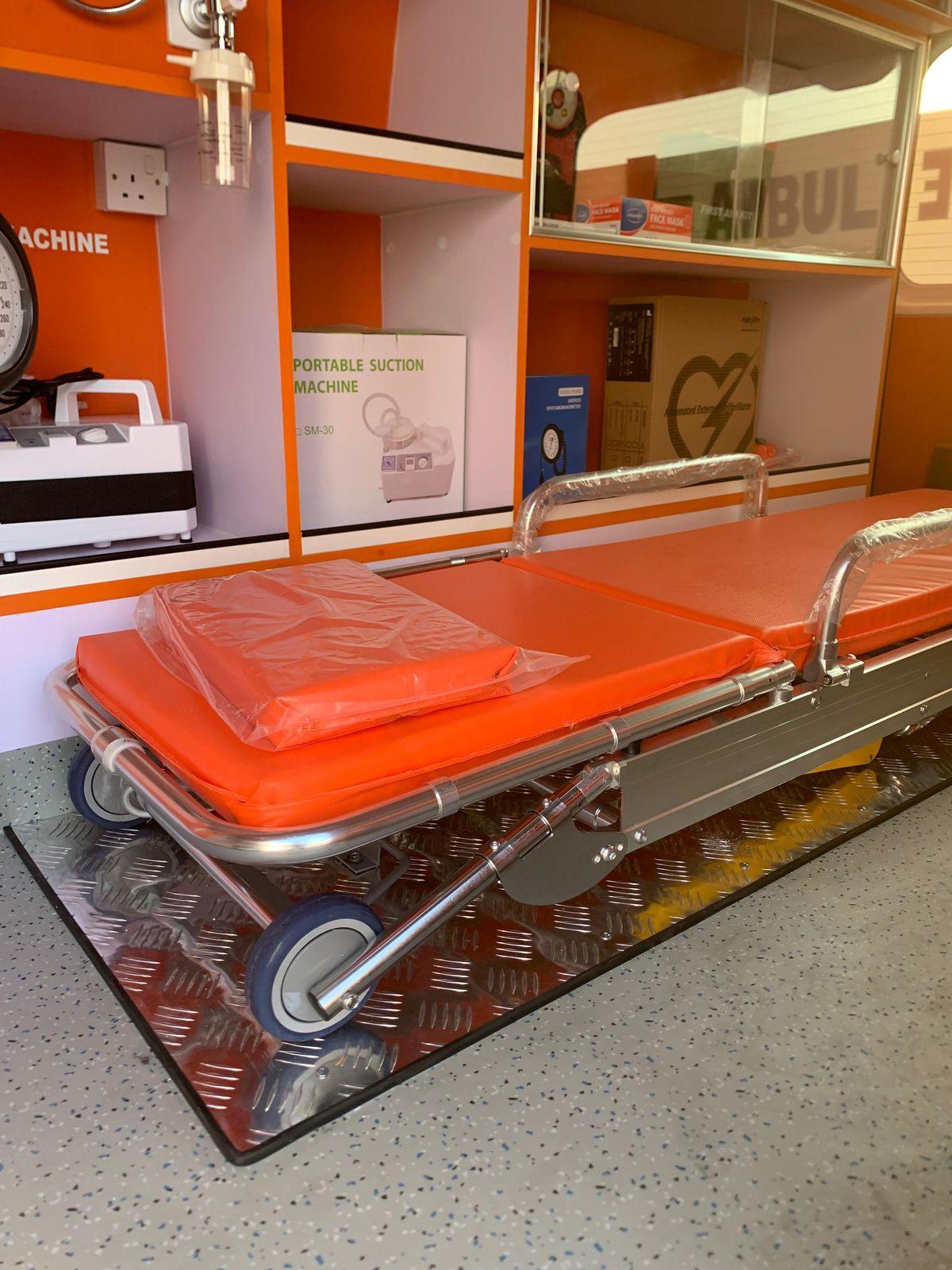
Toyota Hiace Ambulance Interior Design; in the field of emergency medical services, the vehicle interior is the clinical workspace. For ALS and ICU providers operating from a Toyota Hiace platform, the relationship between interior layout and patient outcome is direct and measurable. While medical technology continues to advance—with smaller monitors, smarter ventilators, and more capable infusion systems—the physical environment in which these tools are deployed often remains the limiting factor in pre-hospital critical care.
The Toyota Hiace has become a preferred platform for ambulance conversion across Europe, Asia, Africa, and the Middle East due to its balance of interior volume, maneuverability, and mechanical reliability. However, the base vehicle provides only the shell. The clinical capability of a Hiace ambulance is determined entirely by how that shell is configured. This article examines the engineering principles, ergonomic requirements, and workflow considerations that define a high-performance ALS or ICU interior.
Core Design Principles of Hiace Ambulance Interiors
Designing an ambulance interior is fundamentally different from furnishing a room. The workspace moves, accelerates, decelerates, and vibrates. It must function in darkness, in noise, under thermal stress, and while occupants are restrained. Several core principles govern successful Hiace ambulance interior design.
Reach Envelopes
The most critical design constraint is the seated, restrained clinician’s reach envelope. In a moving vehicle, safety standards require that clinicians remain seated and belted during transport. Therefore, every item required for ongoing patient care—monitor controls, ventilator adjustments, infusion pumps, airway supplies—must fall within the primary reach zone of the seated attendant. This zone typically extends no more than 60 cm from the seated shoulder position without requiring spinal twisting or leaning outside the restraint geometry .
Restraint-Based Working Positions
Unlike a hospital emergency department where clinicians move freely around the patient, the ambulance interior must function with the provider in a fixed, restrained position. The primary ALS attendant is typically seated at the head of the patient, facing the rear or sideways depending on configuration. This position must provide:
- Direct line of sight to the patient’s airway and chest
- Unobstructed view of the monitor display
- One-handed access to oxygen and suction controls
- Ability to reach the patient’s upper body for interventions
Vertical Versus Horizontal Storage
Space in a Hiace ambulance is finite. Efficient use of vertical space is essential, but must be balanced against ergonomics and safety. Frequently used ALS items should be stored at waist to chest height when seated, eliminating the need to bend or stretch. Less frequently used supplies can occupy higher or lower cabinets, but heavy items must never be stored above the seated clinician’s head due to the risk of injury during impact or rollover .
Weight Distribution
The Hiace chassis, while robust, has defined axle weight limits and a specific center of gravity range. Interior design must distribute weight evenly side-to-side and maintain as low a center of gravity as possible. Concentrating mass high in the patient compartment—such as heavy roof-mounted cabinets or ceiling-suspended equipment—raises the vehicle’s rollover risk and degrades handling dynamics .
ALS Workflow Inside a Hiace Ambulance
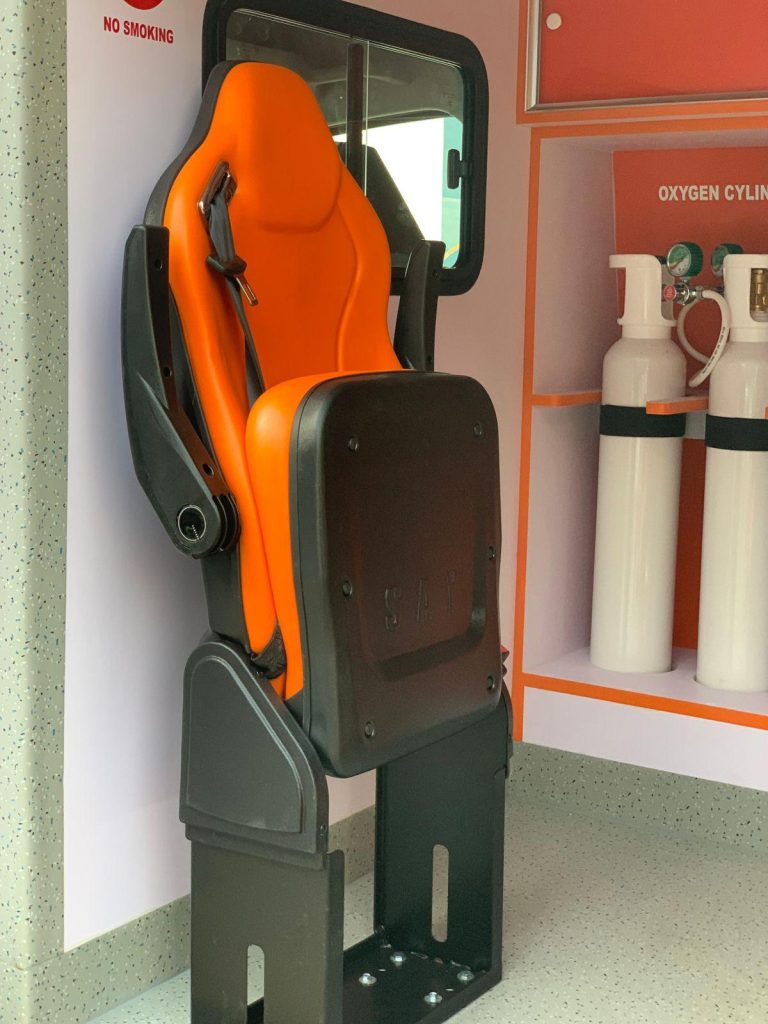
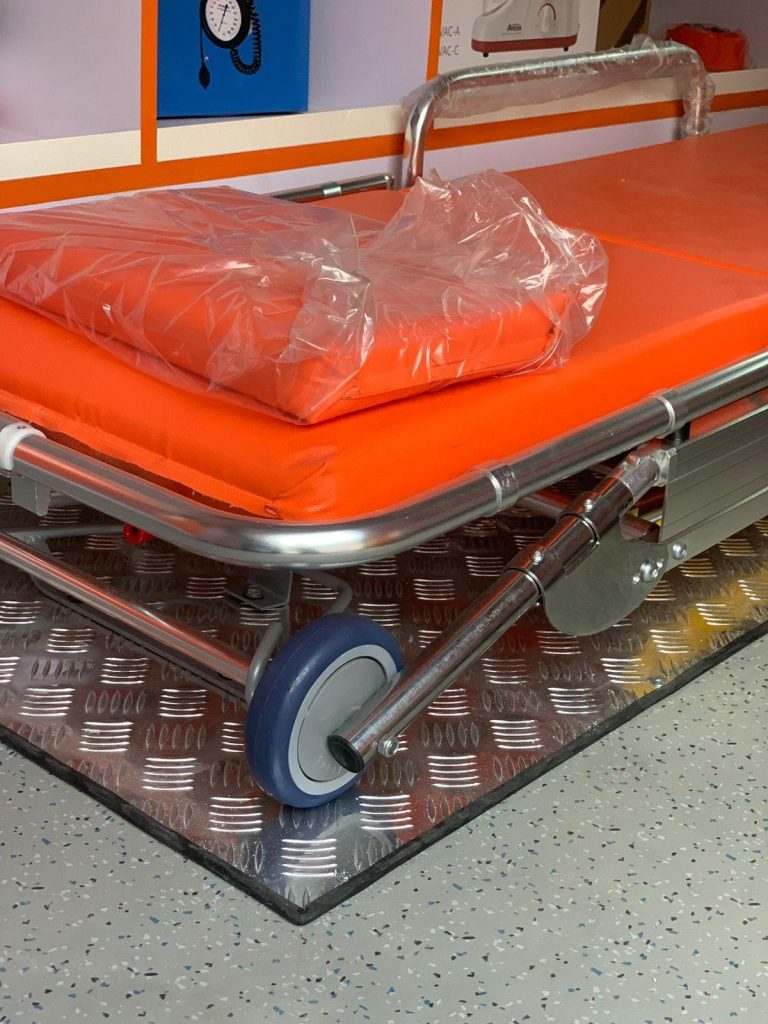
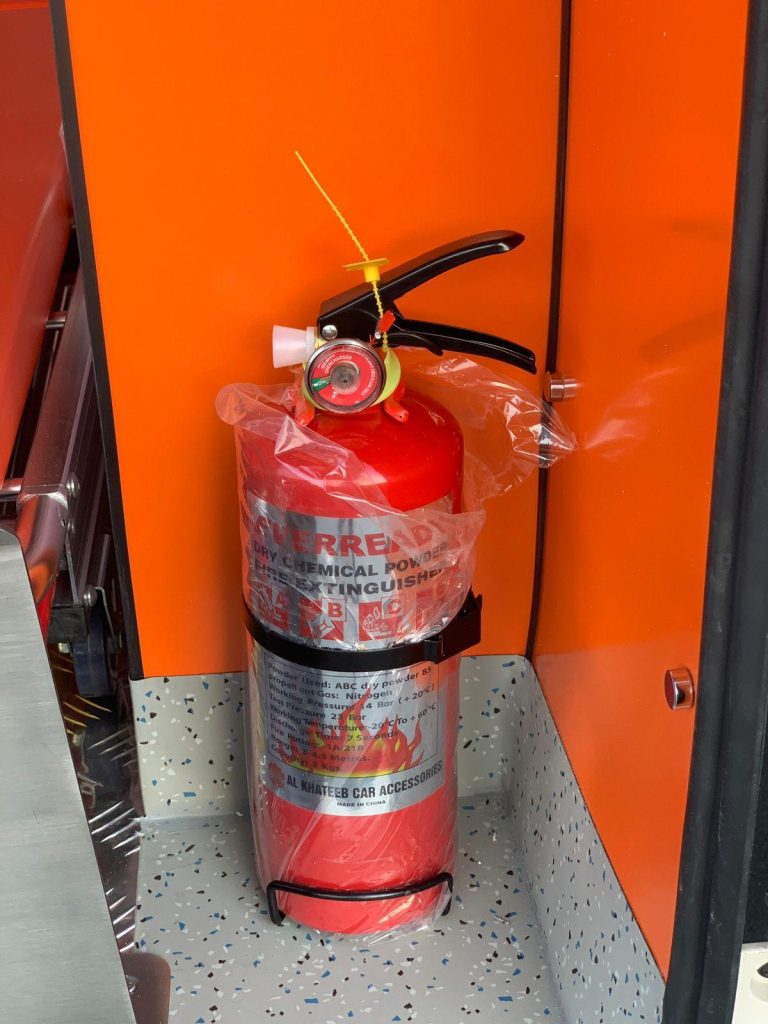
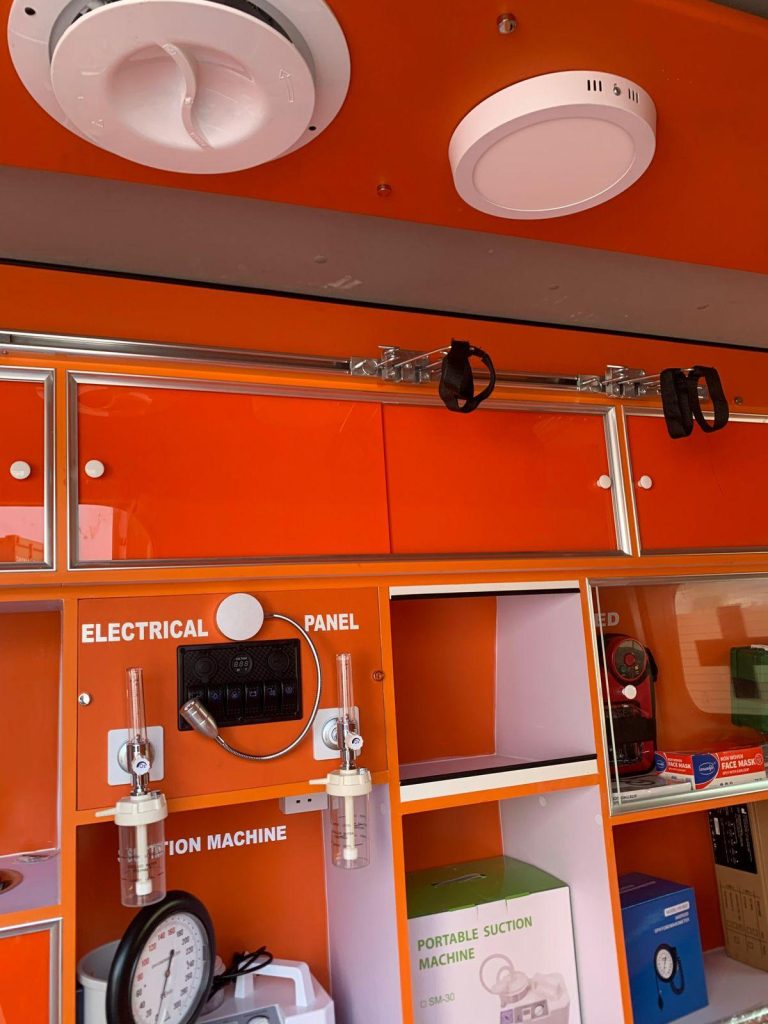
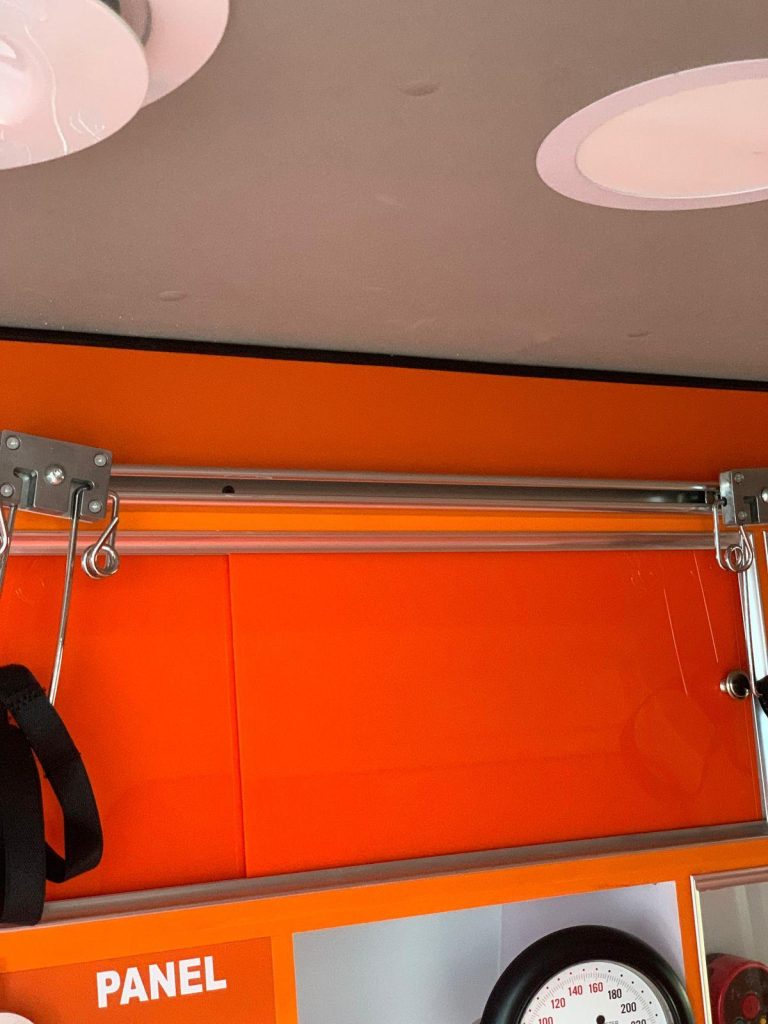
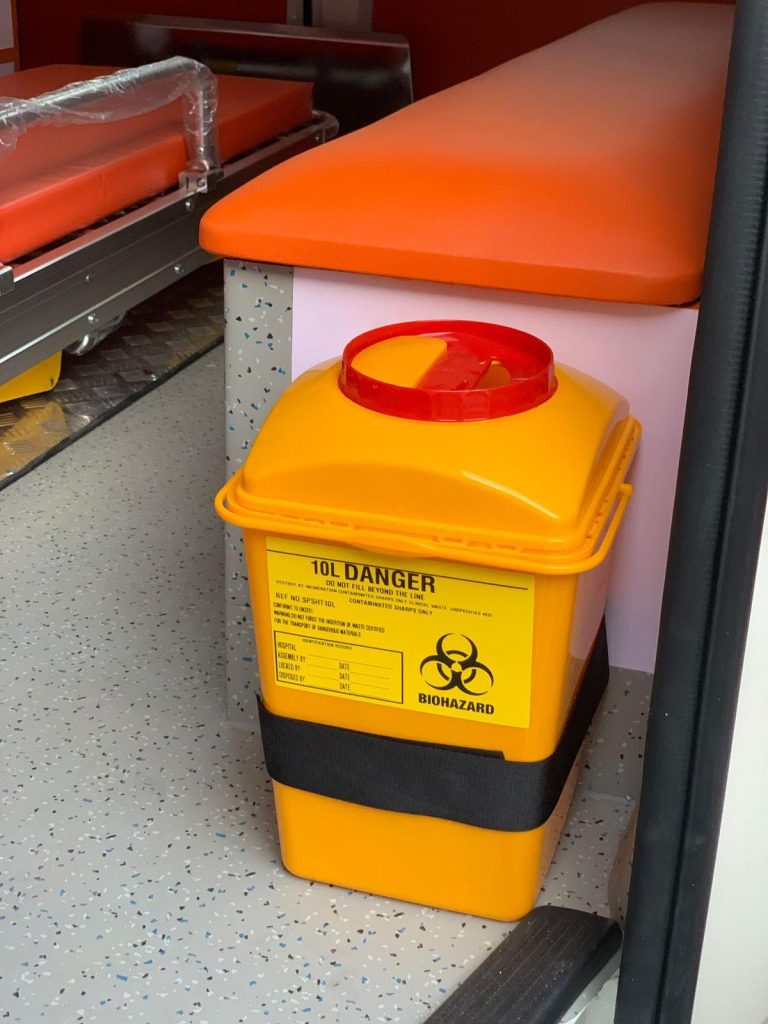
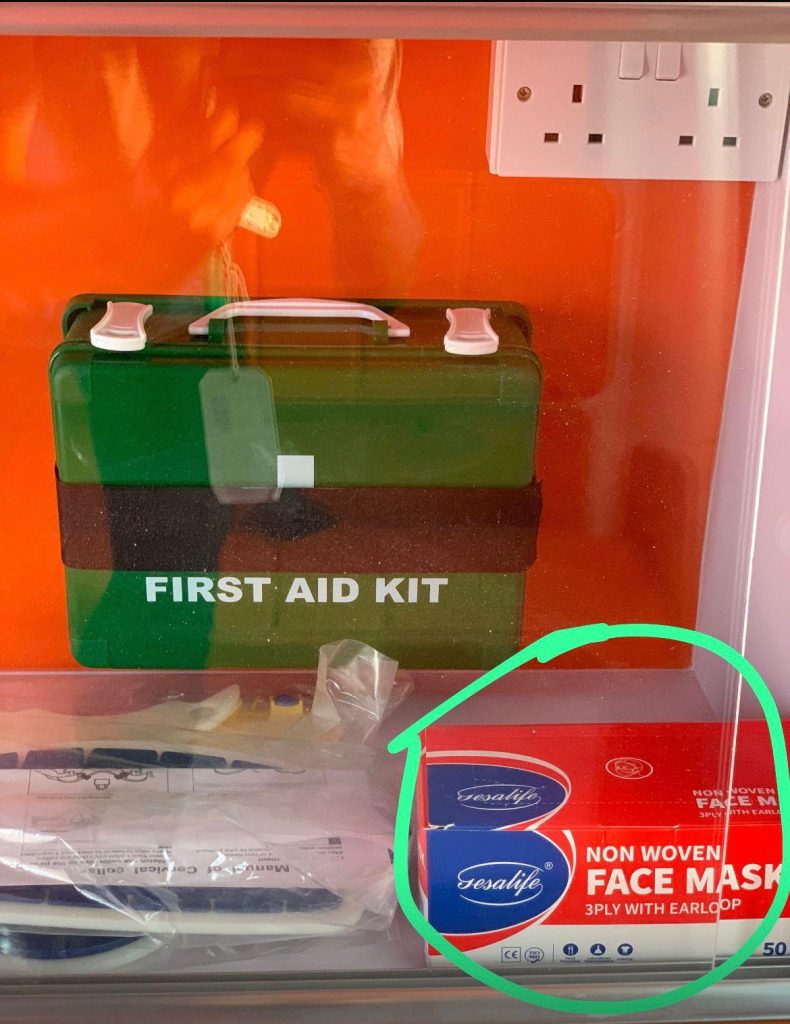
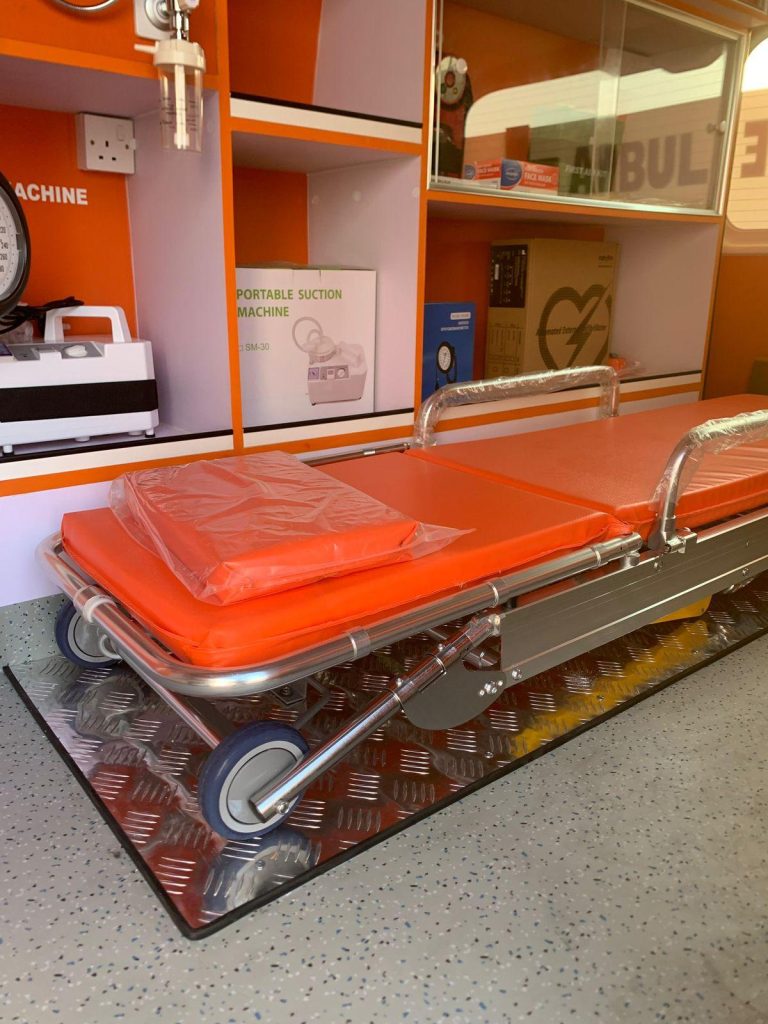
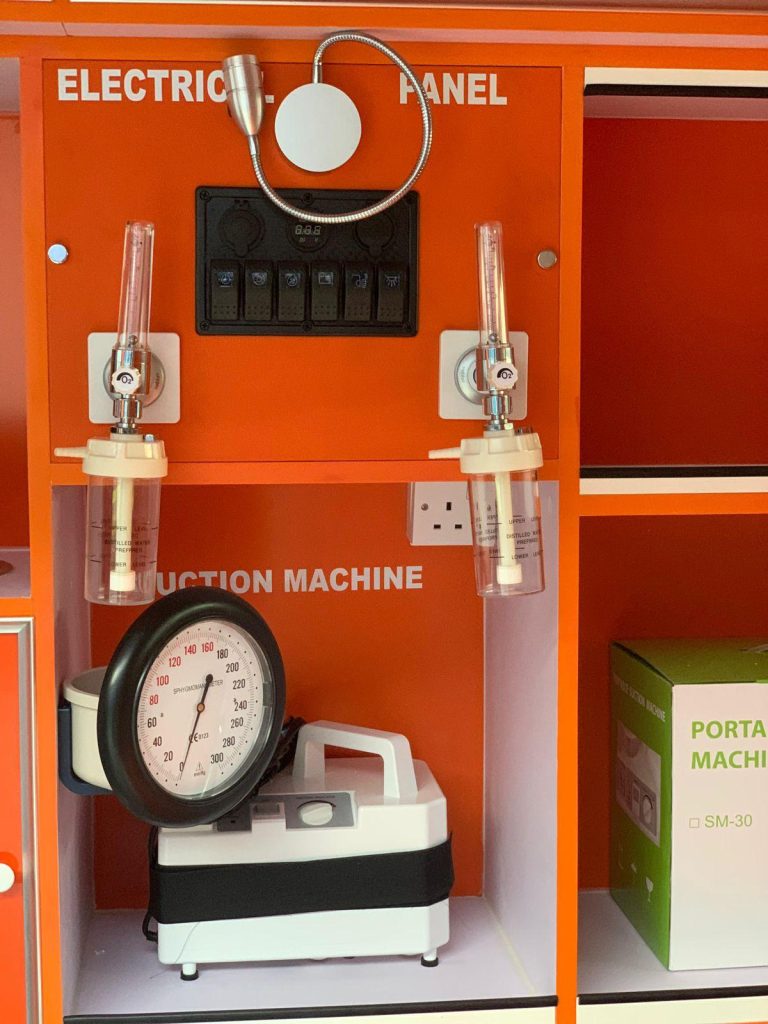
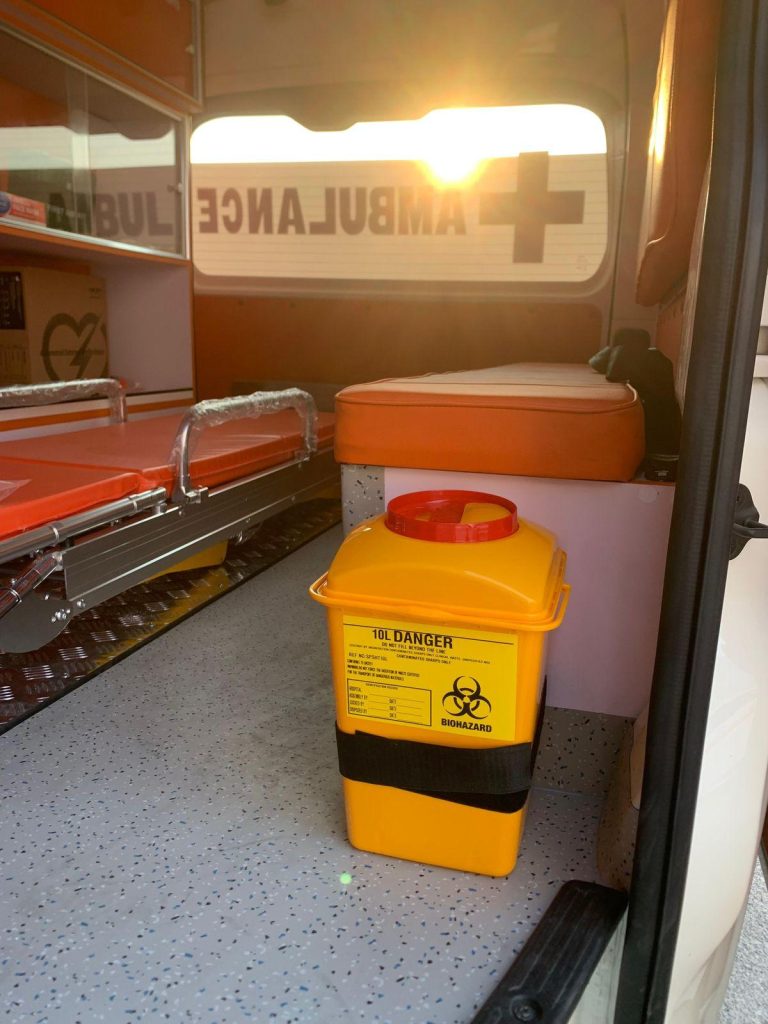
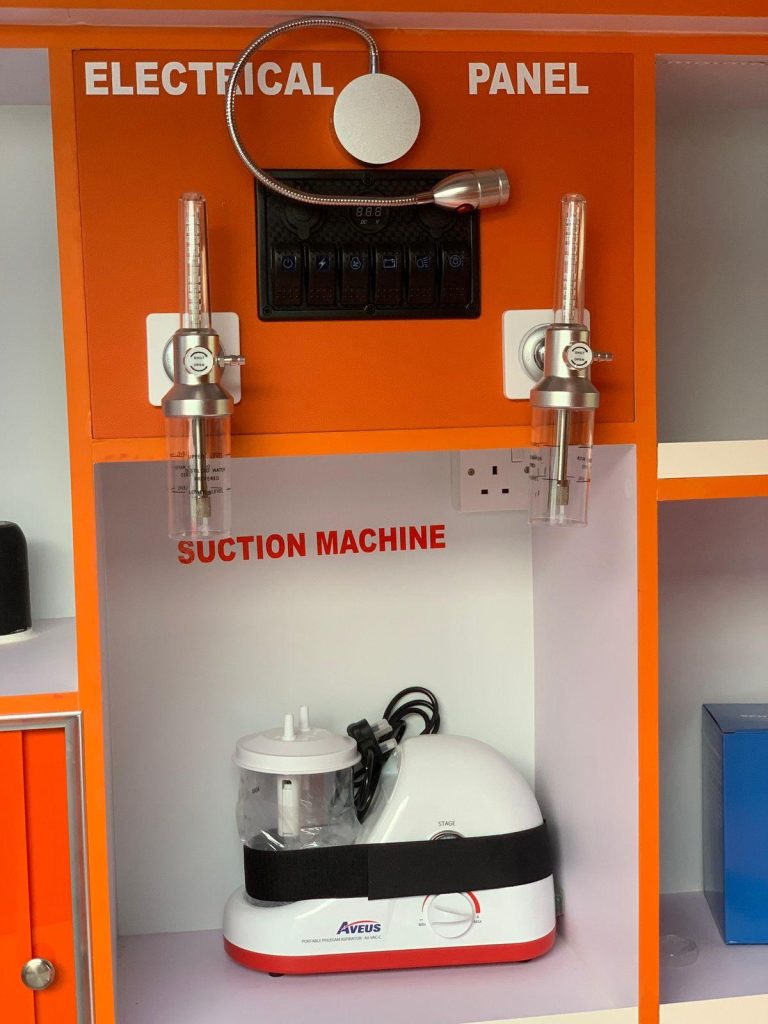
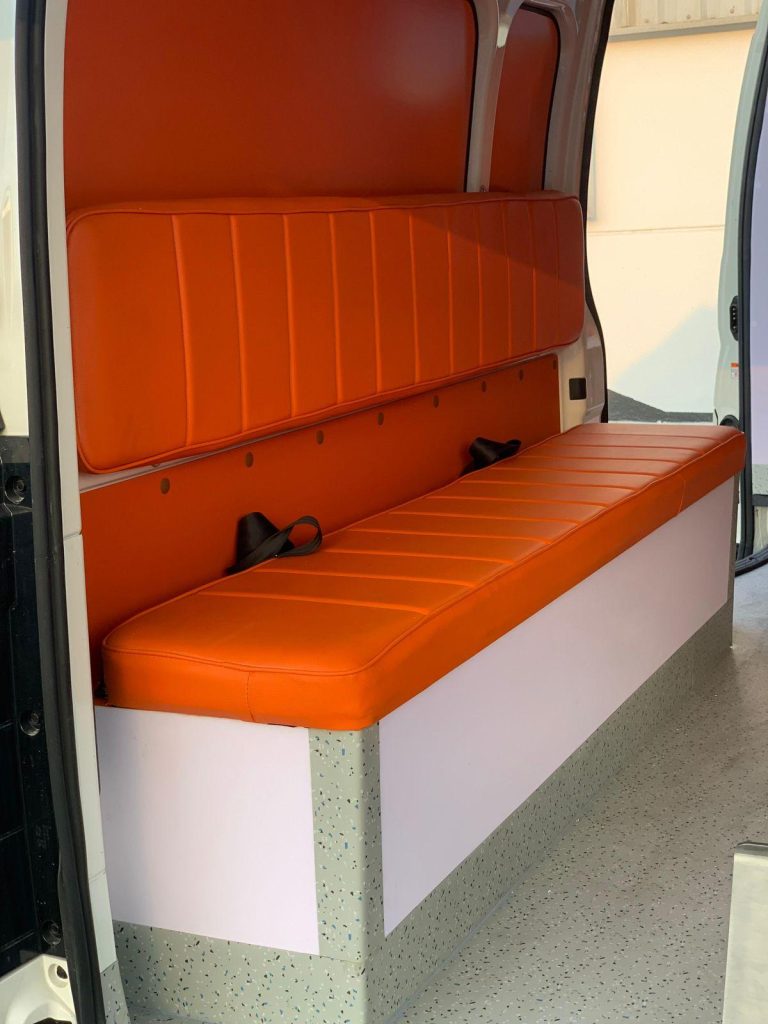
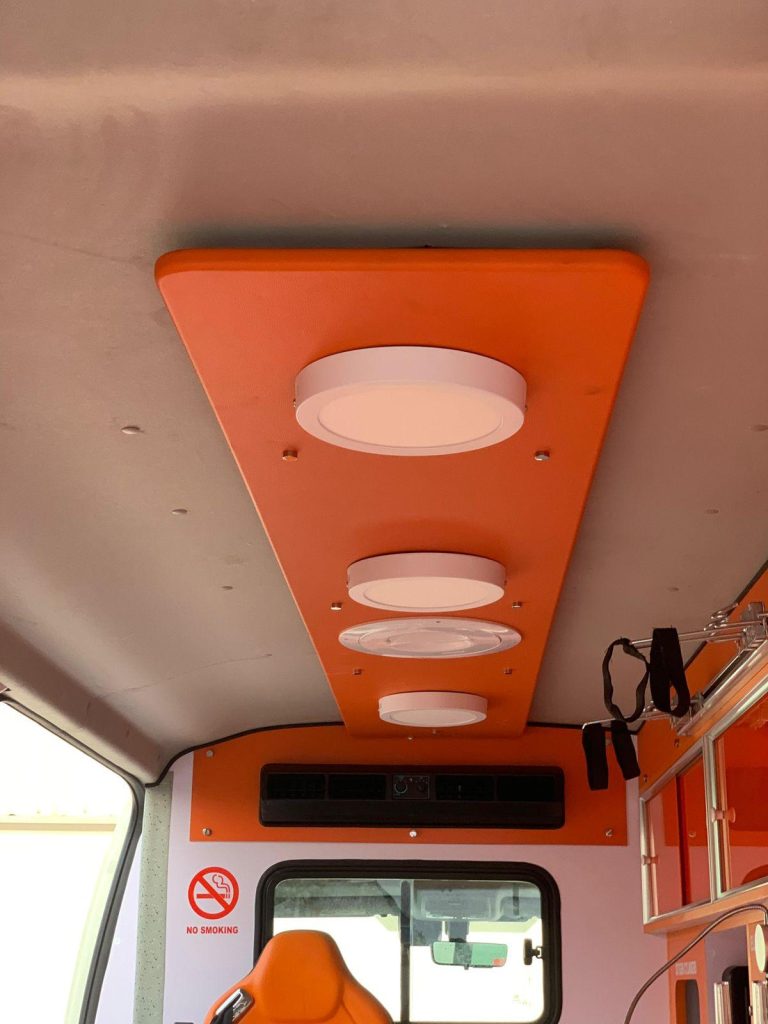
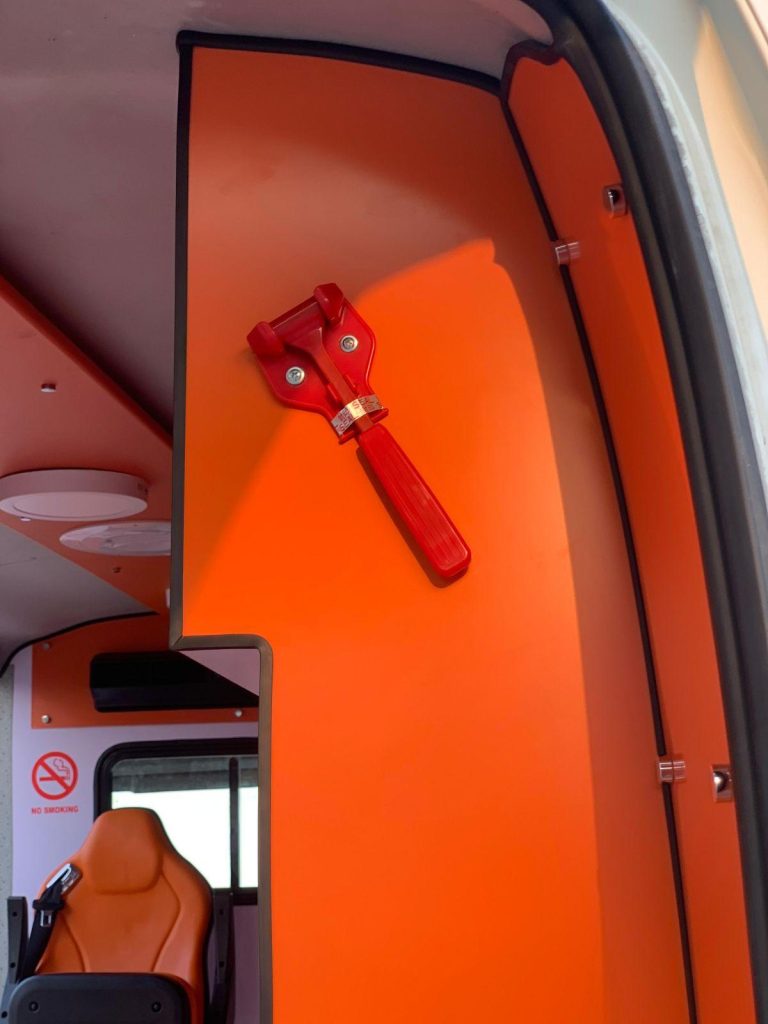
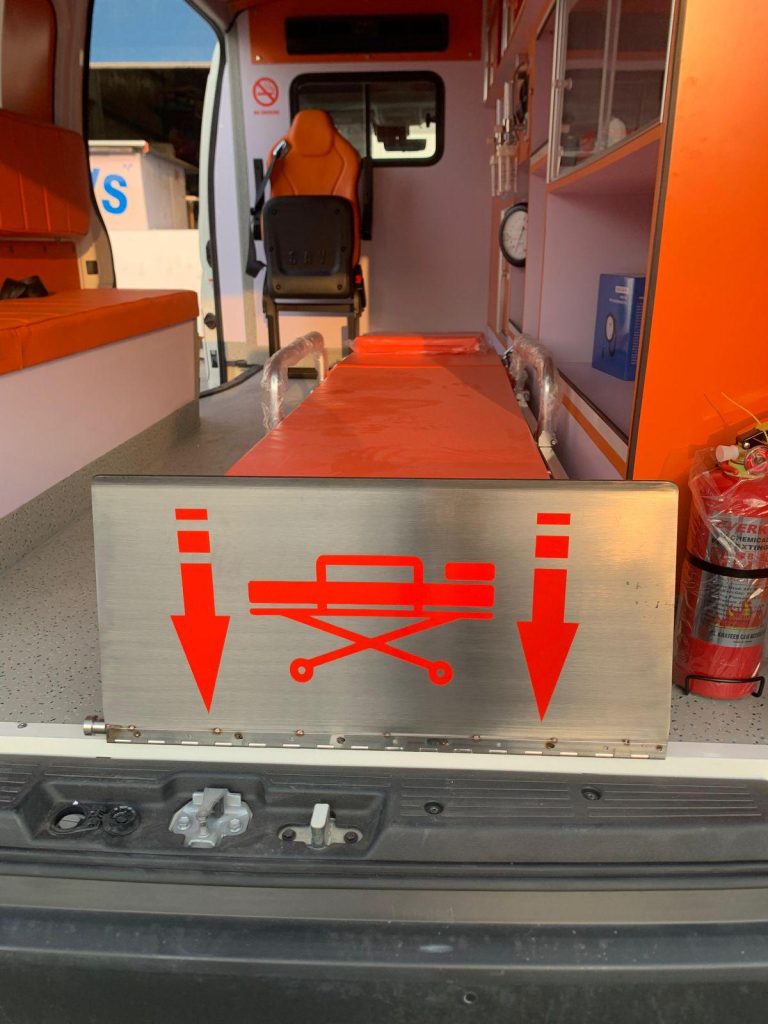
Advanced Life Support interventions require precise coordination between clinician, patient, and equipment. The interior layout must support a specific clinical workflow that minimizes movement and maximizes efficiency during time-critical procedures.
Head-of-Patient Positioning
The optimal position for the primary ALS clinician is at the patient’s head. This provides immediate access to the airway, allows continuous monitoring of chest rise and breath sounds, and positions the clinician to direct resuscitation efforts. In a Hiace ALS configuration, the attendant seat is therefore positioned at the head end of the stretcher, typically on the curbside or roadside depending on local driving regulations and loading preferences .
Monitor and Ventilator Line-of-Sight
The cardiac monitor and mechanical ventilator are the primary information sources during ALS transport. These devices must be mounted where the seated clinician can view them without turning away from the patient. Ideal placement is on a side wall mount or articulating arm positioned at 45 degrees to the attendant’s forward line of sight. Monitor placement that requires the clinician to turn their back to the patient—even momentarily—introduces unacceptable risk .
Drug and Airway Access Zones
ALS protocols require rapid access to resuscitation drugs, airway equipment, and vascular access supplies. These items must be organized in dedicated zones:
- Airway zone: Directly adjacent to the attendant seat, containing laryngoscopes, endotracheal tubes, supraglottic airways, suction catheters, and backup oxygen delivery devices
- Drug zone: Within easy reach of the seated attendant, organized by frequency of use with resuscitation drugs (epinephrine, amiodarone, atropine) in a dedicated, immediately accessible drawer or pouch
- Vascular access zone: Slightly extended reach containing IV catheters, administration sets, fluids, and blood collection tubes
These zones must be logically sequenced to support the natural progression of an ALS call: airway secured, vascular access obtained, drugs administered, monitoring continuous .
ICU Configuration Requirements
Intensive care unit (ICU) transport places additional demands on the Hiace interior that exceed standard ALS requirements. ICU patients are typically intubated, mechanically ventilated, receiving multiple intravenous infusions, and require continuous invasive monitoring.
Ventilator Mounting
ICU ventilators are heavier and larger than transport ventilators used in standard ALS. They require secure mounting that isolates the device from vehicle vibration while maintaining accessibility. Mounting systems must incorporate anti-vibration damping and withstand crash forces without releasing the device. The ventilator should be positioned where the clinician can observe pressure waveforms, volume measurements, and alarm conditions without leaning or repositioning .
Infusion Pump Stacking
ICU patients frequently require multiple simultaneous infusions: sedatives, analgesics, vasopressors, fluids, and maintenance medications. This necessitates organized infusion pump mounting. Purpose-designed racks or rail systems allow pumps to be stacked vertically, preserving horizontal workspace while keeping all infusion lines visible and accessible. Pump placement must allow the clinician to observe infusion rates, detect occlusions, and access syringe changes without disturbing the patient or other equipment .
Power and Oxygen Redundancy
ICU transports may extend over long distances and durations. Interior design must accommodate redundant power and oxygen systems:
- Dual oxygen cylinders with automatic changeover manifolds
- Inverter systems with adequate capacity for simultaneous ventilator, monitor, pump, and warmer operation
- Battery backup for critical devices during vehicle power interruptions
- Multiple electrical outlets positioned to avoid line clutter across the patient compartment
Noise and Vibration Control
ICU patients are often physiologically fragile and sensitive to environmental stress. Interior design must address noise and vibration through:
- Acoustic insulation in wall and ceiling cavities
- Anti-vibration mounts for equipment and cabinetry
- Smooth interior surfaces that can be cleaned but do not amplify sound
- Sealed construction to minimize road noise penetration
Common Interior Design Mistakes
Despite advances in ambulance design, recurring errors compromise safety and functionality in Hiace conversions. Awareness of these pitfalls is essential for procurement professionals and fleet managers.
Poor Cabinet Placement
Cabinets positioned too high force clinicians to reach overhead, compromising balance and creating fall hazards. Cabinets positioned too low require bending, increasing fatigue and back injury risk. The optimal storage zone for frequently used items is between hip and shoulder height for the seated clinician. Deep cabinets that require reaching beyond the elbow crease should be avoided for ALS-critical items .
Overhead Weight Concentration
Roof-mounted cabinets and ceiling-suspended equipment may maximize floor space but concentrate mass at the vehicle’s highest point. This raises the center of gravity, increases rollover risk, and creates dangerous projectiles in crash situations. Heavy items—defibrillators, oxygen cylinders, suction units—must be mounted as low as practicable, ideally below the level of the stretcher deck .
Inadequate Legroom
Clinician seats positioned too close to cabinetry or the stretcher prevent the attendant from getting close enough to the patient to perform procedures effectively. Insufficient legroom forces the clinician to lean forward, compromising spinal alignment and reducing procedural control. Minimum knee clearance of 60 cm from the seat front to any obstruction is recommended .
Unsafe Sharp Edges
Patient compartment interiors experience high-energy events during crashes. Sharp corners on cabinetry, unprotected metal edges, and protruding hardware create laceration hazards for unrestrained occupants. Professional designs feature radiused corners, padded surfaces in impact zones, and flush-mounted hardware throughout .
Standard Roof vs High Roof Interior Impact
The choice between standard-roof and high-roof Hiace configurations has profound implications for clinical capability and provider safety.
Working Posture
Standard-roof Hiace ambulances typically provide insufficient height for the 50th percentile male to stand upright. Clinicians must work in a stooped position, kneeling on the bench seat, or seated. This compromises their ability to:
- Perform effective chest compressions with proper biomechanics
- Maintain balance during airway procedures
- Move around the patient to access equipment
- Observe the patient from optimal angles
High-roof configurations provide standing height clearance, typically 180–190 cm interior height, enabling clinicians to work upright. This neutral spinal position reduces fatigue, improves procedural accuracy, and allows full mobility within the patient compartment .
Procedure Safety
Standing height directly impacts patient safety. Intubation, for example, requires alignment of oral, pharyngeal, and tracheal axes. This is optimally achieved with the clinician standing at the head of the bed at a height that allows direct visualization. A kneeling or stooped clinician cannot achieve the same mechanical advantage, potentially prolonging intubation attempts and increasing complication risk .
Fatigue and Injury Risk
The cumulative effect of working in a stooped posture over multiple calls and extended shifts is significant provider fatigue and increased musculoskeletal injury risk. Paramedics have among the highest rates of back injury of any profession. Providing a standing-height workspace is a primary engineering control for this occupational hazard .
Frequently Asked Questions Toyota Hiace Ambulance Interior Design
What is the ideal interior layout for a Hiace ALS ambulance?
The ideal ALS layout positions the primary clinician at the head of the stretcher in a forward-facing or rear-facing seat with integrated restraints. The cardiac monitor and ventilator should be mounted within the clinician’s direct line of sight, typically on a side wall or articulating arm. Airway equipment must be immediately adjacent to the attendant seat, with resuscitation drugs in a dedicated, quickly accessible drawer. Oxygen and suction controls should be positioned at the head end, reachable without leaning. Secondary equipment and supplies occupy waist-to-chest height cabinets on the opposite wall, arranged by frequency of use .
Can a standard-roof Hiace support ICU equipment?
A standard-roof Hiace can physically accommodate ICU equipment, but the operational limitations are significant. The inability of clinicians to stand during patient care compromises their ability to manage ventilators, multiple infusion pumps, and invasive monitoring lines effectively. While equipment can be mounted, the human factors of providing intensive care from a stooped or kneeling position make prolonged ICU transport clinically challenging and increase the risk of provider error and injury. High-roof configurations are strongly recommended for dedicated ICU missions .
How does interior design affect patient survival?
Interior design affects patient survival through multiple mechanisms. Efficient layout reduces time to critical interventions—defibrillation, drug administration, airway management—directly impacting cardiac arrest survival. Ergonomic design enables higher quality CPR by allowing proper biomechanics. Unobstructed access to the patient facilitates rapid response to deterioration. Conversely, poor design delays interventions, reduces CPR quality, and increases the likelihood of errors during high-acuity calls. The interior is not merely a container for equipment; it is a clinical tool that directly influences outcomes .
What interior height is recommended for ALS work?
A minimum interior height of 175 cm (69 inches) is recommended for ALS work, with 185 cm (73 inches) or higher preferred. This allows the 95th percentile male provider to stand upright with adequate head clearance. Height should be measured from the finished floor to the lowest overhead obstruction, accounting for insulation, lighting, and ceiling-mounted equipment. Standing height enables neutral spinal posture, improves procedural control, and reduces fatigue during extended patient contact .
How many medics can safely work inside a Hiace ambulance?
A properly configured Hiace ALS ambulance typically accommodates two clinicians safely: a primary attendant seated at the patient’s head managing airway, ventilation, and monitoring, and a secondary attendant managing vascular access, drug administration, and documentation. Some configurations allow a third seated position, but workspace volume limits the ability of three providers to function without interfering with each other. For ICU transports requiring multiple clinicians, larger platforms may be necessary, or operations must plan for one clinician to be unrestrained during stationary periods only .
Why is ergonomic layout critical in emergency vehicles?
Ergonomic layout is critical because emergency vehicles are mobile workplaces where clinicians must perform complex, high-stakes procedures under physical and temporal pressure. Poor ergonomics forces awkward postures, increases fatigue, reduces procedural accuracy, and elevates injury risk. In a crash, poor layout creates additional hazards through unsecured equipment and inadequate restraint positioning. Ergonomic design is not a comfort feature—it is a safety system and a clinical performance enabler. The difference between a well-designed and poorly-designed interior can be measured in patient outcomes and provider careers .